Integrated pest management (IPM) is a sustainable, effective way to solve pest problems in your home, garden, and landscape. IPM combines several methods to prevent and manage pest problems while reducing risks to you, your family, and the environment. Correctly identifying the pest is key to knowing whether a pest is likely to become a problem and determining the best management methods.
Prevent pests from invading in the first place.
- Look, or monitor, for pests and their damage around your home and garden.
- Inspect packages for cockroaches and other pests before bringing them into your home.
- Reduce pest access to food, water, and shelter like crumbs, leaky pipes, and weeds.
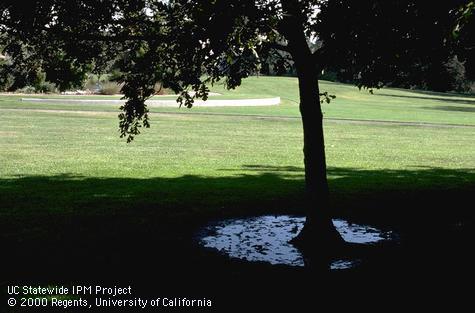
Cultural practices make an area unfavorable to pests.
- Clean your home regularly, clean up crumbs, and take garbage out frequently.
- Store food in plastic or glass containers with tight fitting lids.
- Remove plant debris, especially infested plant material, and pick up fallen fruit in your garden.
- Properly care for plants by giving them the right amount of water, fertilizer, or sunlight.
- Plant pest-resistant or well-adapted plant varieties, such as native plants.
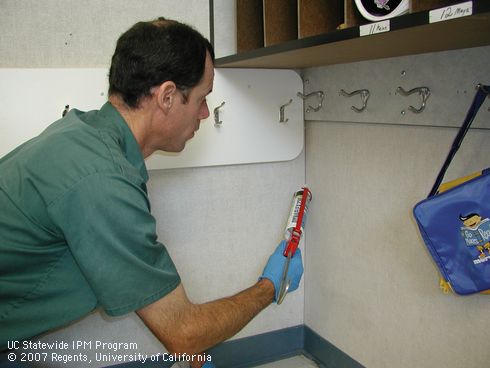
Control pests with physical methods or mechanical devices.
- Keep pests out of your home by using barriers like window screens, weatherstripping, and caulk.
- Squash, wash off, or prune out pests on plants.
- Use landscape fabric and mulch for weed control.
- Use snap traps to control rats or sticky traps for fungus gnats.
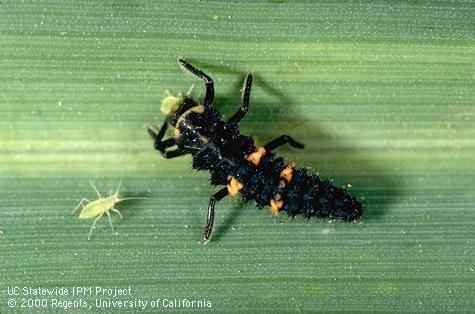
Rely on "good bugs" (natural enemies) to manage pests.
- Natural enemies (also called biological control, good bugs, or beneficials) are organisms like spiders, lady beetles, and parasitic wasps that feed on pest insects.
- Know what natural enemies look like as both adults and immatures.
- Plant flowering and nectar-producing plants to attract beneficial insects to your garden.
- Control ants in the garden since they can attack the natural enemies of honeydew-producing insects.
Use less toxic pesticides.
- If pesticides are needed, use them in combination with nonchemical methods.
- Choose the least-toxic, effective pesticide that targets your specific pest.
- Avoid using broad-spectrum pesticides that can kill natural enemies as well as pests.
- Less toxic pesticides include horticultural oils, pesticidal soaps, and microbial products such as Bacillus thuringiensis (Bt).
- In your home, choose pesticide formulations that don't expose you to the chemical, like bait stations.
- Always read and follow the pesticide label to avoid harm to yourself, others, or the environment.
Read more about Applying IPM in your home and landscape. See also Biological Control Resources.
The pesticide information on this page may become out of date as products and active ingredients change or become unavailable. No endorsements of named products are intended, nor is criticism implied of products not mentioned.